Members
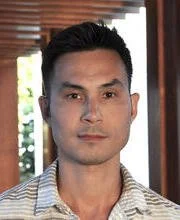
Marcos Simões-Costa
Associate Professor at Harvard Medical School
Marcos is an Associate Professor in the Departments of Systems Biology and Pathology at Harvard Medical School and Boston Children's Hospital. He earned his Ph.D. in Cell and Developmental Biology from the University of São Paulo, Brazil, and completed postdoctoral training at the California Institute of Technology, where he studied the gene regulatory networks controlling neural crest development. Marcos is broadly interested in the mechanisms of genome regulation that define cell identity, organize tissues, and underlie both evolutionary innovation and disease.
Contact Marcos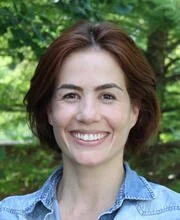
Ana Paula Azambuja
Senior Staff Scientist
Ana earned her Ph.D. in Cell Biology at University of São Paulo and, after a period in the private sector, chose to return to academia. Since 2016, she has been part of the Simoes-Costa Lab, where she develops and implements genomic and single-cell technologies to study early vertebrate embryos. Her research focuses on understanding how the cis-regulatory landscape decodes complex signals, such as molecular cues and spatial information, into gene expression and cellular commitment.
Contact Ana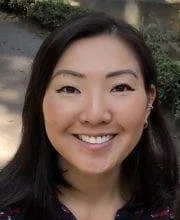
Tatiane Kanno
Postdoctoral Scholar
Tatiane obtained her B.Sc. in Biological Sciences from the State University of Londrina and her M.Sc. and Ph.D. in Cell and Tissue Biology from the University of São Paulo, Brazil. She is interested in the cellular and molecular mechanisms that organize embryonic cells into complex tissues and structures. Her research focuses on how transcriptional and epigenetic programs coordinate cell fate decisions and shape the body plan during early vertebrate development.
Contact Tatiane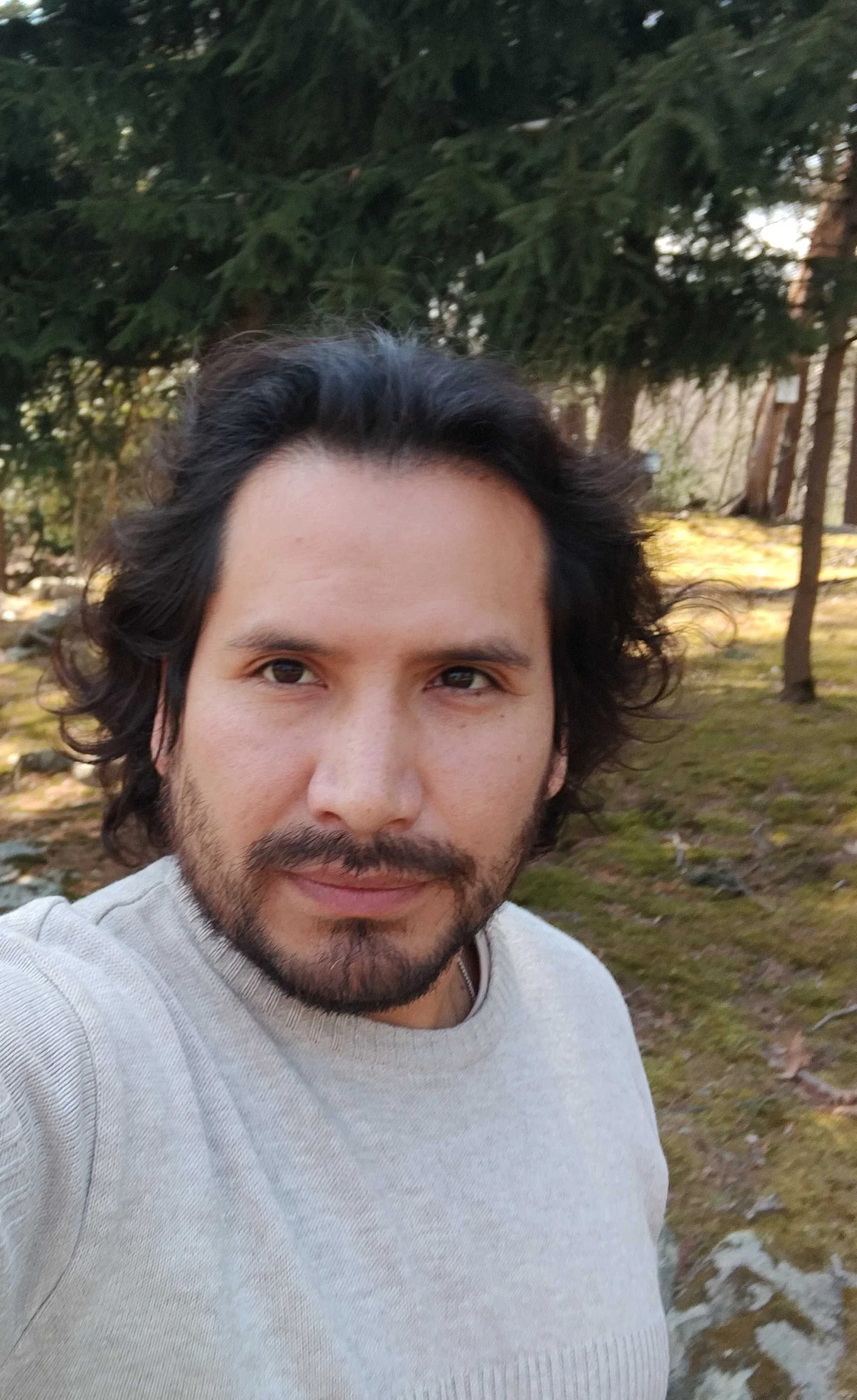
Nagif Alata Jimenez
Postdoctoral Scholar
Nagif earned his B.Sc. in Genetics and Biotechnology from the National University of San Marcos (Peru) and his Ph.D. in Molecular Biology and Biotechnology from the University of San Martin (Argentina), where he studied the intra- and intergenerational effects of folate deficiency on craniofacial structures. In 2024, he was awarded a Pew Latin American Fellowship. His research focuses on how epigenetic mechanisms establish multipotency, lineage segregation, and reprogramming, with a particular interest in how DNA methylation turnover controls fate decisions in neural crest, placodal, and neural progenitors.
Contact Nagif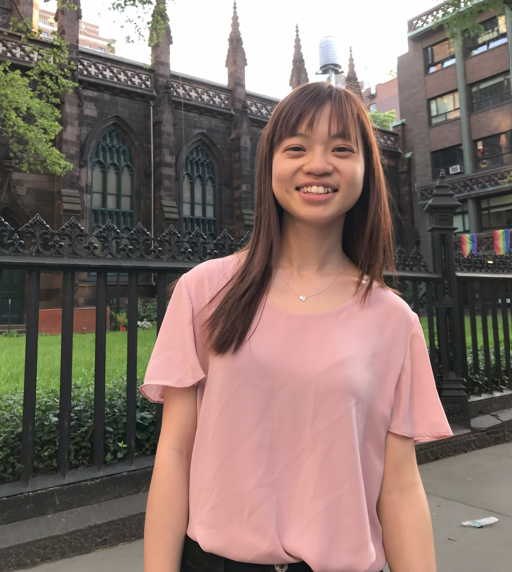
Shirley Ee Shan Liau
Postdoctoral Scholar
Shirley completed her B.Sc. in Genetics and Molecular Biology at the University of Malaya (Malaysia) before pursuing her Ph.D. at Academia Sinica (Taiwan) with Dr. Jun-An Chen. There, she discovered conserved motor neuron diversity and pathogenic dysregulation of m6A RNA modification using single-cell genomic approaches. In the Simões-Costa Lab, her research focuses on decoding the intrinsic and extrinsic cues that reorganize the epigenomic landscape and chromatin architecture during neural crest differentiation, resolving plasticity and directing terminal fate decisions.
Contact Shirley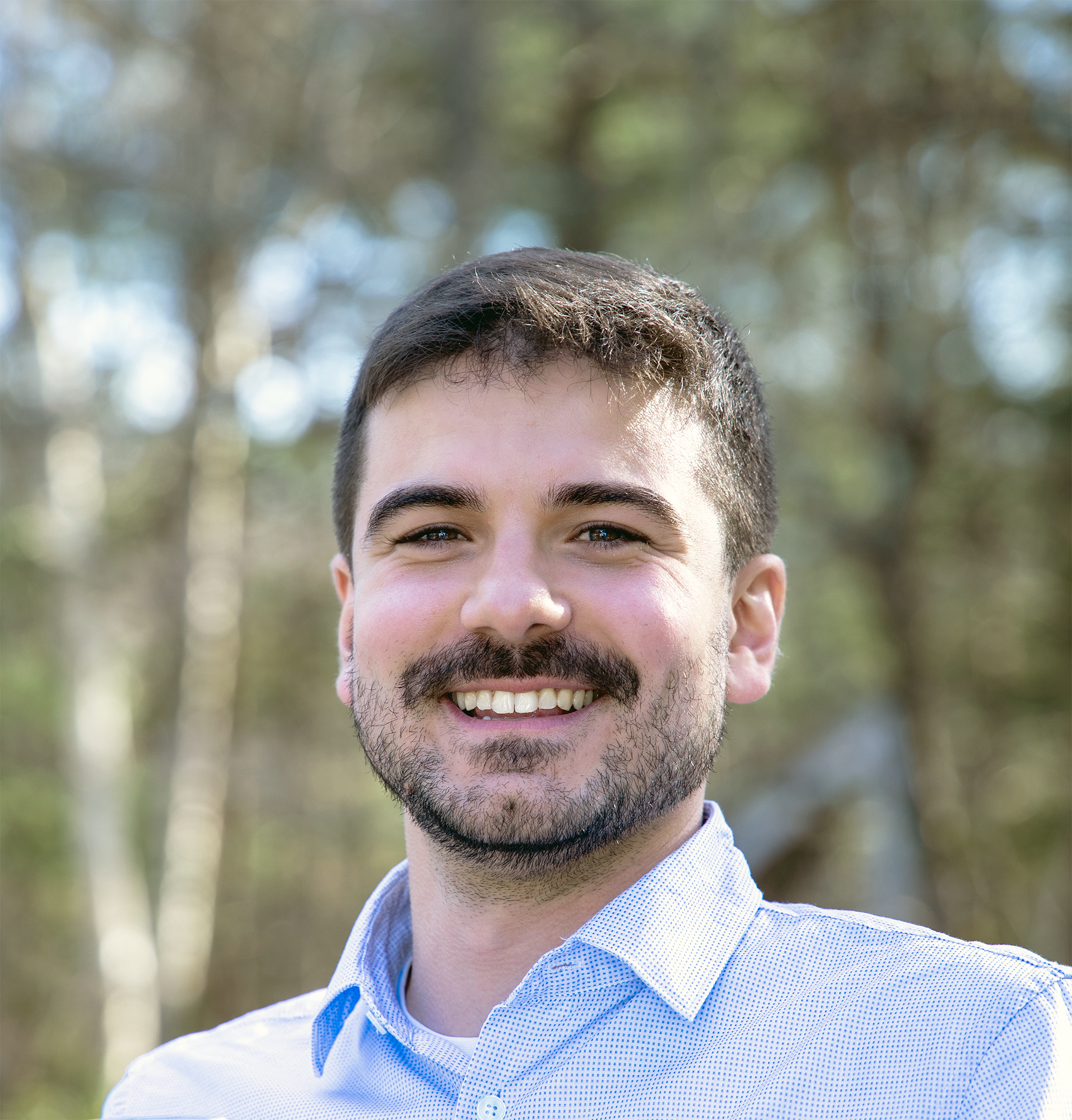
Guilherme Gainett
Postdoctoral Scholar
Guilherme received his M.Sc. in Zoology from the University of São Paulo (Brazil) and a Ph.D. in Integrative Biology from the University of Wisconsin–Madison (USA). During the summers of 2024 and 2025, he was a Grass Fellow and a Whitman Fellow/Scientist at the Marine Biological Laboratory in Woods Hole, MA. His research investigates the macroevolution of sensory systems in arachnids, focusing on the genetic mechanisms underlying the evolution of body plans, eyes, and sensory appendages in groups such as harvestmen, spiders, solifuges, whip spiders, and horseshoe crabs.
Contact Guilherme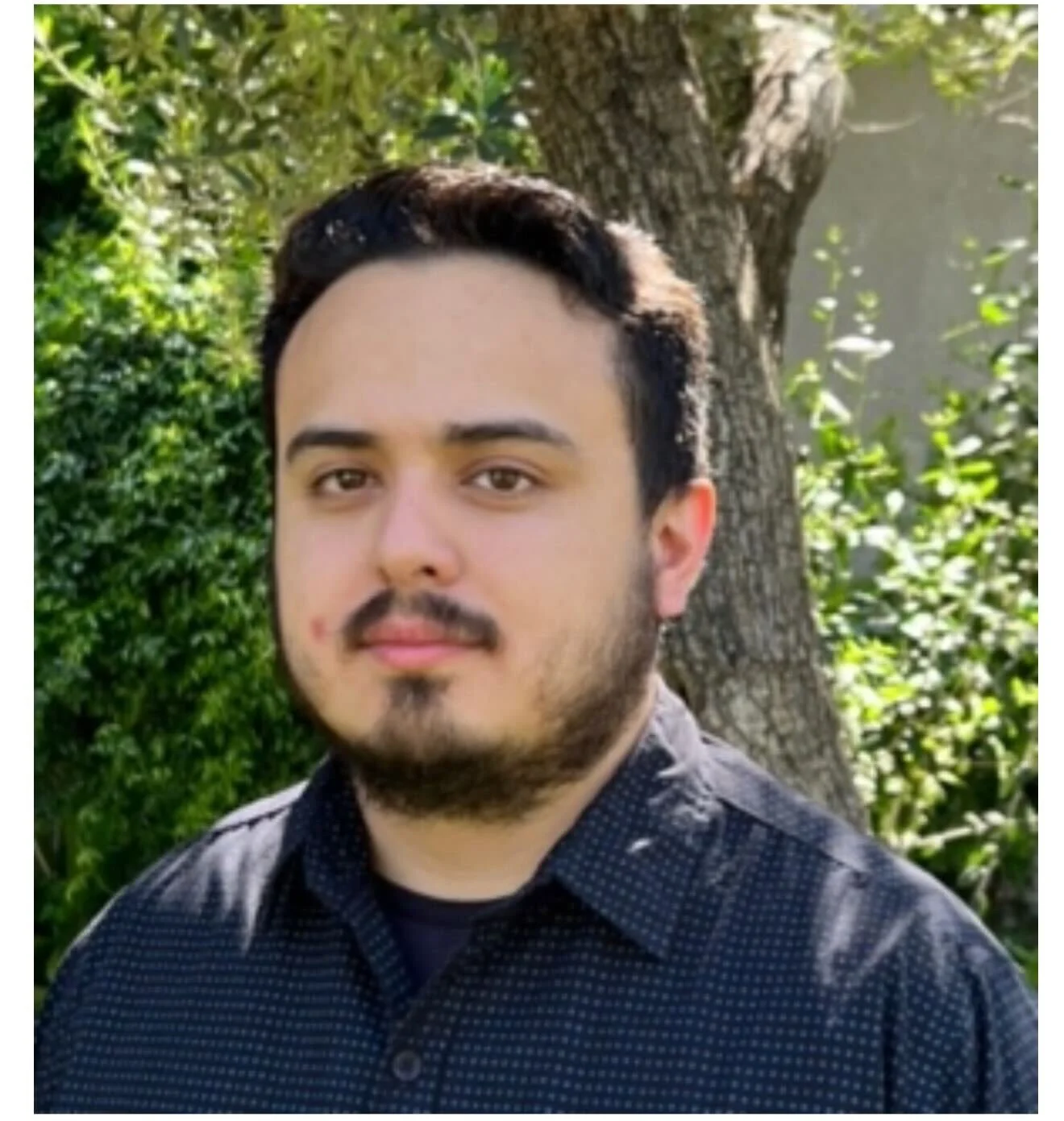
Hugo Urrutia
Postdoctoral Scholar
Hugo earned his B.S. and M.S. in Biology from California State University, Los Angeles, and his Ph.D. in Developmental Biology from the California Institute of Technology under the mentorship of Dr. Marianne Bronner. His doctoral work focused on the molecular mechanisms governing neural crest condensation and sensory gangliogenesis. In the Simões-Costa Lab, he examines how metabolic cues remodel the chromatin landscape of neural crest cells and alter the gene regulatory networks that guide their differentiation.
Contact Hugo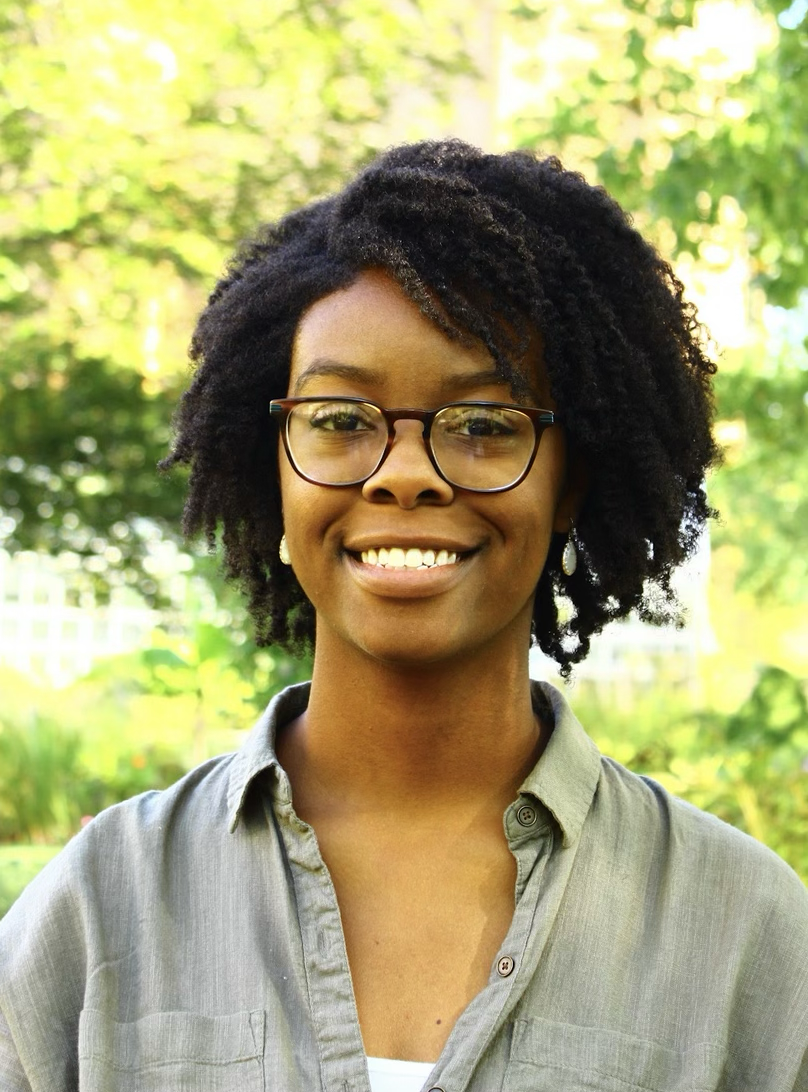
Kayla Wilson
Postdoctoral Scholar
Kayla completed her Ph.D. in Genetics, Genomics, and Development at Cornell University, where she studied signaling pathways in vertebrate development in the Simões-Costa Lab. Her postdoctoral research focuses on signaling-responsive enhancers in neural crest cells, using genomic and functional approaches to define how these elements integrate multiple inputs to control cell fate decisions. She is broadly interested in cis-regulatory logic and how enhancer activity shapes developmental gene regulatory networks.
Contact Kayla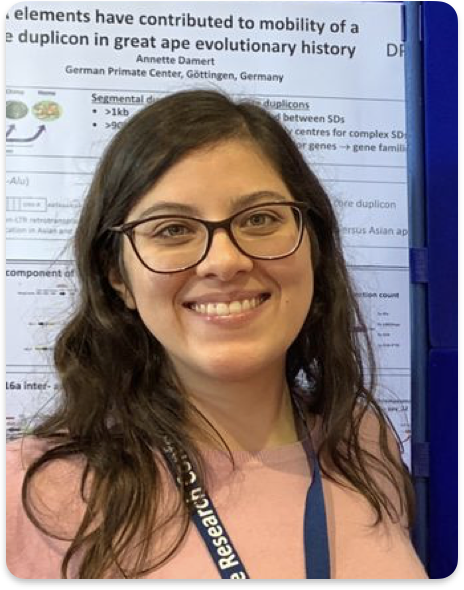
Helena Conceição
Postdoctoral Scholar
Helena holds a B.Sc. in Physics and Biomolecular Sciences and a Ph.D. in Bioinformatics from the University of São Paulo, Brazil. She is broadly interested in the molecular mechanisms that dictate cell differentiation. Her work investigates how transcriptional and epigenetic programs coordinate cell differentiation during early vertebrate development and cancer progression.
Contact Helena
Fjodor Merkuri
Graduate Student
Fjodor is a graduate student in the Molecular Biology and Genetics Department at Cornell University. He obtained his B.Sc. and M.Sc. from the University of Massachusetts Lowell, where he worked in the lab of Jennifer Fish on alternative splicing as a mediator of morphological diversity in development and disease. In the Simões-Costa Lab, his research focuses on the coupling of cellular metabolism and gene regulation during embryogenesis, with a particular emphasis on how metabolic state influences the cis-regulatory landscape of embryonic cell types.
Contact Fjodor